Wednesday, October 22, 2008

News: Evolution in Health and Disease, Aging and Longevity

See also:
-- 'Books Forum' blog
-- 'Health Studies' blog


Dear All:

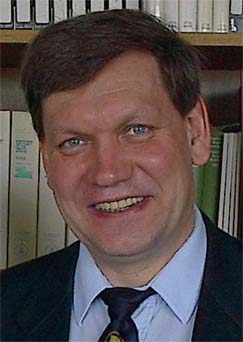
I am pleased to announce that today the New England Journal of Medicine has published our invited review of this new book:

Evolution in Health and Disease
by Stephen C Stearns and Jacob C Koella
Oxford University Press, 2008
http://tinyurl.com/56n8q9


Here is the reference to our new published book review:

Gavrilov L.A., Gavrilova N.S.
Evolution in Health and Disease [Book Review].
The New England Journal of Medicine, 2008, 359(17): 1856-1857.

Also here is our initial original text of the book review, which is somewhat more detailed and informative when compared to the abridged final edited text published by the journal:

This book introduces evolutionary approach to medicine, and it provides almost encyclopedic coverage of all medical topics where the evolutionary principles are applied. The book consists of 23 chapters written by a large international team of 47 leading researchers from the United States, United Kingdom, France, Switzerland, and New Zealand. This latest second edition of the book has an extensive updated bibliography of over 1,500 references, and it is organized in 5 major parts:

(1) Introducing evolutionary thinking for medicine;
(2) The history and variation of human genes;
(3) Natural selection and evolutionary conflicts;
(4) Pathogens: resistance, virulence, variation, and emergence;
(5) Noninfectious and degenerative diseases (including aging).

The book is provided with a detailed Subject Index (10 pages), which really helps to navigate in a great diversity of covered topics.

The main content of this book is well summarized in its first, introductory chapter, which overviews evolutionary approach to complex medical issues in a reader-friendly way. The authors seem to be acutely aware of the current healthy skepticism among medical experts regarding practical usefulness of evolutionary theory. Therefore, they start to address these concerns from the very beginning of the book:

"Should doctors and medical researchers think about evolution? Does it bring useful insights? Would doctors and researchers who learned a substantial amount about evolution be more effective than a control group that learned only the usual rudiments? Would providing such education improve health enough to justify the costs?"

They acknowledge that evolutionary theory is not helpful to surgeons, but it may be useful to internists, pediatricians, epidemiologists and geneticists, when "prescribing antibiotics, managing virulent diseases, administrating vaccinations, advising couples who have difficulty conceiving and carrying offspring to term, treating diabetes and high blood pressure of pregnancy, treating cancer, understanding the origins of the current epidemics of obesity, diabetes, and autoimmune diseases, and answering patients' questions about aging."

This statement is further justified in the introductory chapter with several particular examples and evolutionary insights, which then concludes with 12 'commandments' on "What doctors need to know about evolution and why."

The first introductory chapter is so well written that it may be a sufficient reading for busy practicing doctors. The authors themselves "acknowledge that much medical practice proceeds just fine with little need for a theoretical foundation. Medicine is a profession that offers practical help. .... Evolution is not an alternative to existing medical training and research. It is a useful basic science that poses new medical questions, contributing to research while also improving practice." (page 3).

Therefore this book is of a particular interest to researchers involved in biomedical studies and developing new treatments.

The major evolutionary insight of this book is that many diseases in developed countries (obesity, diabetes, breast cancer, autoimmune and heart diseases, etc.) are promoted by mismatch of human bodies to modern environment, because the environment is changing far more rapidly than humans can evolve. This insight may have some useful practical implications, like convincing patients that physical inactivity, which is so common in developed countries, is a very serious health issue and has to be vigorously avoided, to the same extend as smoking.

The same reasoning justifies the urgent need for a radical revision of the modern diet to a healthier standard, which matches better the ancestral needs of human body, by providing foods with much lower glycemic index (load) and much higher proportion of omega-3 unsaturated fatty acids. These important topics are very well covered in the chapter 20 "Lifestyle, diet, and disease: comparative perspectives on the determinants of chronic health risks" by William R. Leonard from the Northwestern University Department of Anthropology.

Another notable chapter of the book is chapter 9 "Perspectives on human health and disease from evolutionary and behavioral ecology" by Beverly I. Strassmann (Institute for Social Research & Department of Anthropology, Ann Arbor, USA), and Ruth Mace (University College London Department of Anthropology, UK). It presents a thoughtful review of trade-offs between longevity and fertility, and refutes the highly publicized claims that human longevity comes with the cost of impaired fertility among long lived persons.

One minor weakness of this book may be related to some neglect of alternative, non-evolutionary explanations. For example, human aging is discussed mostly in narrow evolutionary terms, while ignoring a more general theory of systems failure (systems reliability theory), which is included now in the Handbook of the Biology of Aging (Academic Press, 2006), and other biomedical publications on aging.

This book will be useful to biomedical students, researchers and doctors, because it stimulates fresh thinking and new approaches to traditional medical problems.

Leonid Gavrilov, Ph.D.
Natalia Gavrilova, Ph.D.
Center on Aging, University of Chicago
Chicago, IL 60637
gavrilov@longevity-science.org

Key words:
New books, New England Journal of Medicine, Evolution in Health and Disease, Evolution, Health, Disease, Leonid Gavrilov, Natalia Gavrilova, Stephen Stearns, Jacob Koella, Oxford University Press, evolutionary medicine, evolutionary genetics, human behavioral ecology, evolutionary microbiology, evolution of aging and degenerative disease, diabetes, obesity, cardiovascular disease, asthma, allergies, autoimmune diseases, aging, evolutionary (Darwinian) medicine, evolutionary biology, anthropology, developmental biology, genetics

To read comments on this new book review, and to post your own thoughts, click here


Home:
Longevity Science Blog
and
News: Evolution in Health and Disease, Aging and Longevity
Shorter weblink:
http://tinyurl.com/6xyxy5

.

Labels: , , , , , , , , , ,

Tuesday, March 11, 2008

The Longevity Revolution: The Benefits and Challenges of Living a Long Life (new book)

See also:
-- 'Books Forum' blog
-- 'Health Studies' blog


Greetings,

Here is a new book for discussion (click on the book title below for more detail):

The Longevity Revolution:
The Benefits and Challenges of Living a Long Life

by Dr. Robert N. Butler


From Publishers Weekly:
There is probably no one who knows more about aging than Butler, who coined the term ageism, and founded the federal National Institute on Aging and the first medical school department of geriatrics. Winner of a Pulitzer for Why Survive? Butler now examines the health, economic and social consequences of the growing elderly population. Increasing longevity brings a host of challenges, such as finding better (and cheaper) treatments for chronic health problems; building a health-care system capable of handling the load; and legal protection against age discrimination. Many of Butler's topics overlap with family and women's issues, whether creating a fair elder-care system or strengthening profamily work policies. The author supplies plenty of hard data and lengthy notes. Although his discussions of Alzheimer's and various theories of aging are too technical for the average reader, most of his points are clear and concise, and quite optimistic; for example, Butler urges the need to reinvent ourselves to stay in the workforce. He presents a strong argument for why everyone, from individuals to doctors, marketers and policy makers, should pay far more attention to the growing elderly population worldwide.

Times Online, UK - Mar 8, 2008:
"A new book, The Longevity Revolution, recently argued that in the coming century the human lifespan will extend to 120 years. Robert Butler, the book’s author, is a professor of geriatrics at a medical school in New York and is still working at the age of 80."

Publisher: Public Affairs; 1 edition (March 2008)

Selected quotes from this book:

p. 11:
"It is sheer foolishness to imagine that we can extend life ... without substantial governmental participation"

p.13-14:
"Indeed, some believe that humans can master their evolution. Among them is Aubrey de Grey of Cambridge University, who suggests a life expectancy of five thousand years by 2100 [17]. The philosopher John Harris of Oxford views extraordinary longevity from another perspective when he considers the possibility of immortality and its consequences for mankind [18]."

p. 106:
"The NIH works as follows: governmental officials do not decide who receives grants to conduct research. Study sections composed of scientists from universities do so. This is called peer review, and it has worked uncommonly well. Proposals are either rejected or approved and given scores. However, in 2007 only about 15 to 20 percent of approved grants were funded, depending on the institute.
I believe that at least 30 percent of approved grants (if not more) should be funded. ... When funds are tight, review committees act too cautiously and conservatively. Funds should be available to support risky research."


p. 110:
"Today less than 1 percent of the entire federal budget is spent on medical research. Both to improve health and control costs, I propose that 3 percent of the nation's overall health bill ($1.8 trillion projected as 2005) or $54 billion be available to NIH for medical research from federal revenues. I also propose that of Medicare expenditures, 1 percent (or $3 billion) be devoted to the National Institute on Aging. This investment should increase in line with the Medicare budget, but scientific research, in fact, could lower Medicare expenditures.
To give some perspective, the FY2006 NIA budget approached $1 billion. The national Alzheimer's Disease Association argued in 2005 that the NIH as a whole should devote at least $1 billion annually for research on Alzheimer's disease. While the numbers I am suggesting may seem extraordinary, I believe the level of scientific progress in the field since the 1950s justifies such a program, which could be dubbed the Apollo Program for Aging and Longevity Science."


p. 118 - 119:
"An orbital jump in financing of science is required to advance longevity and health as well as national wealth."

p. 162:
"... it may soon be possible to delay both aging and age-related disease in humans."

p. 187:
"The present level of development of aging and longevity research justifies an Apollo-type effort to control aging ...
Now we have both past work as a foundation and new scientific tools offering hope that we may soon have a more prolonged, vigorous and productive life and added longevity. During the twenty-first century, the century of the life sciences, longevity science should truly come of age."


p. 298:
"Advances in genomics and regenerative medicine will give us advances in longevity."

p. 314:
"Some members of Congress, for example, worrying about costs of increasing numbers of older persons, fear and oppose success of life extension research."

p. 315:
"The 2005 WHCOA [White House Conference on Aging] was the first time a president [George Bush] did not appear, although he was only an hour or so away speaking to an upscale audience of older persons about the Medicare Prescription Act. It was ironic, indeed absurd, that the administration killed funding for a training of teachers in geriatrics at the same time that the WHCOA was in process."

p. 401:
"... science will find new ways to extend life and its quality. Evidence suggests that morbidity can be further compressed, and society can adapt to the growing numbers of older persons." ...

"Now in the twenty-first century we may be poised at the frontier of biological time -- the prospect of germline engineering, the means by which the human species would direct its own evolution and extend its life span." ...

"Enthusiasts over the future of cell, tissue, and organ replacement imagine successive, comprehensive reconstitutions of the body. Replacement or regenerative medicine would push death back, presumably indefinitely."

"One must not doubt the possibility of the unexpected in science and the uneven evolution of knowledge."


Key words:
New books, Longevity Revolution, Robert Butler, Public Affairs, Long Life, Population Aging, Ageism, geriatrics, longevity, Alzheimer's


Do you have any comments on this new book?
Post them below by clicking here !


Home:
Longevity Science Blog
and
The Longevity Revolution: The Benefits and Challenges of Living a Long Life (new book)
Shorter weblink:
http://tinyurl.com/2no5je

.

Labels: , , , , , , , , ,

Sunday, February 24, 2008

New Attack on SENS Life-Extension Project and Aubrey de Grey

Greetings,

Here is a new turn in hot scientific debates over the SENS Life-Extension Project, and Dr. Aubrey de Grey activities in rejuvenation research:

Recently a new chapter came out in a book published by the Springer publisher:

Annual Review of Gerontology and Geriatrics:
Biopsychosocial Approaches to Longevity

by Leonard W. Poon and Thomas T. Perls
http://tinyurl.com/2opjy6
(Hardcover - Dec 12, 2007)


Chapter 3 of this book entitled "The Promise of Human Life Span Extension" and written by Dr. Preston W. Estep III, contains the following section:

"SENS Brings Neo-Lysenkoism to Longevity Research"

Here are some excerpts:

"Agenda-driven pseudoscience like SENS has a clearly stated goal, but wishful thinking and extrascientific considerations, such as political or fundraising power, are placed ahead of and are often incompatible with scientific evidence.

There have been many examples of agenda-driven science, but SENS is strikingly similar to Lysenkoism, a name given to the pseudoscientific misdirection of Soviet Biology lead by Trofim Lysenko."
[in Stalin period]

Stay tuned for the response from Aubrey de Grey !

Key words:
New books, SENS, Life-Extension, Aubrey de Grey, rejuvenation research, Springer, Trofim Lysenko, Preston Estep, Neo-Lysenkoism, Leonard Poon,Thomas Perls

Do you have any comments on this topic?
Post them below by clicking here !


Home:
Longevity Science Blog
and
New Attack on SENS Life-Extension Project and Aubrey de Grey
Shorter weblink:
http://tinyurl.com/26yclt


.

Labels: , , , , , , , , , ,

Saturday, February 23, 2008

Survival: The Survival of the Human Race (Darwin College Lectures, New Book)

See also:
-- 'Books Forum' blog
-- 'Health Studies' blog


Greetings,

Here is a new book for discussion (click on the book title below for more detail):

Survival:
The Survival of the Human Race
(Darwin College Lectures)

by Emily Shuckburgh (Paperback - Jan 31, 2008)

Book Description provided by the Publisher (Cambridge University Press):

This fascinating and accessible book examines the survival of the human race from a broad range of viewpoints. Through in-depth examinations of a number of very distinct aspects of human life, the book covers topics ranging from the preservation of Empires, to the challenges of maintaining cultural identity, the sufferings inflicted by famine, disease and natural disasters, the opportunities for increased longevity and the threats presented by climate change. The chapters draw from the expertise of those in the arts and humanities, as well as the social, physical and biological sciences. Following in the footsteps of Charles Darwin with his thoughts of the Survival of the Fittest, each chapter explores strategies which may be adopted to assist us in our individual struggle for existence and to preserve and indeed improve our collective lifestyles.

Key words:
New books, Survival, Human Race, Darwin College, Emily Shuckburgh, Cambridge University Press, longevity, life extension, climate change, Survival of the Fittest, struggle for existence, famine, disease, natural disasters

Do you have any comments on this new book?
Post them below by clicking here !


Home:
Longevity Science Blog
and
Survival: The Survival of the Human Race (Darwin College Lectures, New Book)
Shorter weblink:
http://tinyurl.com/37gdww

.

Labels: , , , , , , , , , , ,

Friday, February 22, 2008

microRNAs: From Basic Science to Disease Biology (New Book)

See also:
-- 'Books Forum' blog
-- 'Health Studies' blog


Greetings,

Here is a new book for discussion (click on the book title below for more detail):

microRNAs: From Basic Science to Disease Biology
by Sidney Altman, Victor R. Ambros, and Krishnarao Appasani
(Hardcover - Jan 31, 2008)


Book Description provided by the Publisher (Cambridge University Press):


MicroRNAs (miRNAs) are RNA molecules, conserved by evolution, that regulate gene expressions and their recent discovery is revolutionising both basic biomedical research and drug discovery. Expression levels of MiRNAs have been found to vary between tissues and with developmental stages and hence evaluation of the global expression of miRNAs potentially provides opportunities to identify regulatory points for many different biological processes. This wide-ranging reference work, written by leading experts from both academia and industry, will be an invaluable resource for all those wishing to use miRNA techniques in their own research, from graduate students, post-docs and researchers in academia to those working in R&D in biotechnology and pharmaceutical companies who need to understand this emerging technology. From the discovery of miRNAs and their functions to their detection and role in disease biology, this volume uniquely integrates the basic science with industry application towards drug validation, diagnostic and therapeutic development.

Forewords by:

Sidney Altman, Yale University, Winner of the Nobel Prize in Chemistry, 1989
and
Victor R. Ambros, Dartmouth Medical School, Co-discoverer of MicroRNAs

About the Author:
Krishnarao Appasani is the Founder and Chief Executive Officer of Gene Expression Systems, a gene discovery company, focusing on functional genomics in cancer research. He is the Editor of RNA Interference: From Basic Science to Drug Development (2005).

Key words:
New books, microRNAs, Basic Science, Disease Biology, Sidney Altman, Victor Ambros, Krishnarao Appasani, miRNAs, RNA, evolution, gene expression, drug discovery, Expression levels, regulatory points, drug validation, diagnostics, therapeutics, gene discovery, functional genomics, cancer, RNA Interference


Do you have any comments on this new book?
Post them below by clicking here !


Home:
Longevity Science Blog
and
microRNAs: From Basic Science to Disease Biology (New Book)
Shorter weblink:
http://tinyurl.com/37b9y8

.

Labels: , , , , , , , , , , , ,

Thursday, February 21, 2008

The Myth of Generational Conflict: The Family and State in Ageing Societies (New Book)

See also:
-- 'Books Forum' blog
-- 'Health Studies' blog


Greetings,

Here is a new book for discussion:

The Myth of Generational Conflict:
The Family and State in Ageing Societies

by Sara Arber (Paperback - Jan 30, 2008)
Book Description provided by the Publisher (Routledge):
The collection addresses theoretical and policy issues connecting age and generation with the family and social policy. It focuses both on cross-cultural comparison within societies and analysis based on a range of societies.

Key words:
New books, Myth of Generational Conflict, Generational Conflict, Family, State, Ageing Societies, Sara Arber, Routledge, Population aging, Aging of population, social policy, cross-cultural comparison

Do you have any comments on this new book?
Post them below by clicking here !


Home:
Longevity Science Blog
and
The Myth of Generational Conflict: The Family and State in Ageing Societies (New Book)
Shorter weblink:
http://tinyurl.com/339jz7

.

Labels: , , , , , , , , , ,

Wednesday, February 20, 2008

Fatty Acid and Lipotoxicity in Obesity and Diabetes, Novartis Foundation Symposia (New Book)

See also:
-- 'Books Forum' blog
-- 'Health Studies' blog


Greetings,

Here is a new book for discussion:

Fatty Acid and Lipotoxicity in Obesity and Diabetes
(Novartis Foundation Symposia)

by Novartis Foundation (Hardcover - Jan 28, 2008)

Book Description provided by the Publisher (Wiley):

The potential lipotoxic effect of accumulation of fatty acids in non-adipose tissues is thought to be a major component in the development of insulin resistance. Chronic exposure to high concentrations of free fatty acids in the blood affects pancreatic cell function, insulin secretion and lipid synthesis in the liver, and storage in adipose tissue. Maintaining the normal levels of fatty acids requires coordinated regulation between the liver, adipose tissue and skeletal muscle.

This book deals with the molecular aspects of fatty acid action in obesity and insulin resistance. The topics include lipid metabolism and adipose tissue biology, and cell function and insulin resistance. Chapters deal with the molecular genetics and molecular physiology of energy homeostasis.


From the Back Cover:

Metabolic diseases such as obesity, diabetes and hypertension are among the most common chronic illnesses and major causes of morbidity worldwide. These diseases are due to alterations of basic metabolic pathways such as those for glucose and lipids, and they are extremely costly to treat. Because of their increasing prevalence they have attracted tremendous attention from the scientific community in recent years and significant advances have been made in our understanding of their molecular nature.

-- The potential lipotoxic effect of accumulation of fatty acids in non-adipose issue is thought to be a major component in the development of insulin resistance.

-- Chronic exposure to elevated free fatty acids affects pancreatic ß cell function, insulin secretion and lipid synthesis in the liver, and storage in adipose tissue.

-- Maintaining the normal levels of fatty acids requires coordinated regulation between the liver, adipose tissue and skeletal muscle.

This book presents an integrated approach to the problems of obesity and type 2 diabetes and carefully examines the role that fatty acids and lipids play in the development and progression of these diseases and in the transition from one to the other. Topics covered include lipid metabolism, adipose tissue biology, ß cell function and insulin resistance. Specific chapters also deal with the molecular genetics and molecular physiology of energy homeostasis. Fatty Acids and Lipotoxicity in Obesity and Diabetes will be of interest to anyone working on the causes of obesity and diabetes.

Key words:
New books, Fatty Acids, Lipotoxicity, Obesity, Diabetes, Novartis Foundation, insulin resistance, pancreatic cell function, insulin secretion, lipid synthesis, liver, adipose tissue, skeletal muscle, molecular genetics, molecular physiology, energy homeostasis, pancreatic ß cell function, type 2 diabetes, lipid metabolism

Do you have any comments on this new book?
Post them below by clicking here !


Home:
Longevity Science Blog
and
Fatty Acid and Lipotoxicity in Obesity and Diabetes, Novartis Foundation Symposia (New Book)
Shorter weblink:
http://tinyurl.com/253o3m

.

Labels: , , , , , , , , , , , ,

Tuesday, February 19, 2008

"You and Your Aging Parent: A Family Guide to Emotional, Social, Health, and Financial Problems" (New Book)

See also:
-- 'Books Forum' blog
-- 'Health Studies' blog


Greetings,

Here is a new book for discussion:

You and Your Aging Parent:
A Family Guide to Emotional, Social, Health, and Financial Problems

by Barbara Silverstone and Helen Kandel Hyman
(Paperback - Jan 28, 2008)


Book Description provided by the Publisher (Oxford University Press):

First published in 1976, You and Your Aging Parent is a classic -- the first book to shed light on the challenging relationship between adult children and their aging parents, illuminating the emotional, health, and financial difficulties that elderly parents and their children face during the senior years. Marking the 30th anniversary of this highly popular book, the new and revised edition addresses the changes that have taken place in the last three decades, but it still embraces the authors' fundamental insight -- that the difficulties and challenges of the aging process are as much a family affair as in any other phase of life. Both a sensitive exploration of the dynamics of the aging family relationship (between parent and child, and sibling and sibling) and an authoritative how-to guide for seniors and their families navigating the practical problems of growing old in America, You and Your Aging Parent has been thoroughly updated to reflect the latest research findings and changes affecting older adults, including in health care and social services.

The book also includes a running commentary by Bob Morris -- playwright, author, and humorist -- who provides insightful and entertaining observations about his trials and tribulations with his own parents as they aged, serving as a contemporary voice for the middle-aged caregiver of today. As the first of the baby boom generation turns 60 and their increasingly frail parents approach late retirement and final decline, this new and updated edition of You and Your Aging Parent will answer their need for authoritative, practical information about this major phase of life.


About the Authors:

Barbara Silverstone, DSW, is past president of the Gerontological Society of America and a member of the American Society on Aging and the National Association of Social Workers. A former President and CEO of Lighthouse International, she was co-editor-in-chief of The Lighthouse Handbook on Vision Impairment and Vision Rehabilitation (OUP, 2000) and co-author (also with Helen Kandel Hyman) of Growing Old Together. She lives in New York City.

Helen Kandel Hyman was a free-lance writer whose career dates back to the Golden Age of radio, when she wrote dramatic scripts for CBS. She died in March 2006. Bob Morris is a columnist for the Sunday New York Times and often writes about issues of aging in his column. He is also the author of the play Assisted Loving, about his now-deceased father.

Key words:
New books, Aging Parent, Family Guide, Barbara Silverstone, Helen Kandel Hyman, Oxford University Press, elderly parents, seniors, aging, older adults, health care, social services, caregiving, baby boom, retirement, Gerontological Society of America, American Society on Aging

Do you have any comments on this new book?
Post them below by clicking here !


Home:
Longevity Science Blog
and
"You and Your Aging Parent: A Family Guide to Emotional, Social, Health, and Financial Problems" (New Book)
Shorter weblink:
http://tinyurl.com/396voz

.

Labels: , , , , , , , , , , , ,

Monday, February 18, 2008

Social Policy in Ageing Societies: Britain and Germany Compared (New Book)

See also:
-- 'Books Forum' blog
-- 'Health Studies' blog


Greetings,

Here is a new book for discussion:

Social Policy in Ageing Societies:
Britain and Germany Compared

by Gerhard Naegele and Alan Walker
(Hardcover - Jan 22, 2008)

Book Description provided by the Publisher (Palgrave Macmillan):

This collection offers a fascinating comparative analysis of two very different approaches to social policy on ageing. By analyzing the different foundations and systems established by Beveridge in Britain and Bismarck in Germany this book provides a well-constructed and truly comparative perspective on a range of key issues. Each chapter is co-authored by a leading German and a British figure in the field allowing for a unique insight into the differing policies.

About the Authors:

GERHARD NAEGELE is Professor of Sociology, Dortmund University, Gemany.

ALAN WALKER is Professor of Social Policy and Director of ESRC Growing Older Programme, Sheffield University.

Key words:
New books, Social Policy, Ageing Societies, Britain, Germany, Gerhard Naegele, Alan Walker, Palgrave Macmillan, aging, population aging, aging of population, retirement, pension

Do you have any comments on this new book?
Post them below by clicking here !


Home:
Longevity Science Blog
and
Social Policy in Ageing Societies: Britain and Germany Compared (New Book)
Shorter weblink:
http://tinyurl.com/33lz68

.

Labels: , , , , , , , , , , , ,

Sunday, February 17, 2008

Adult Development and Aging (New Book)

See also:
-- 'Books Forum' blog
-- 'Health Studies' blog


Greetings,

Here is a new book for discussion:

Adult Development and Aging
by Paul A Roodin and William J. Hoyer
(Hardcover - Jan 15, 2008)

Book Description provided by the Publisher (McGraw Hill Higher Education):

The fifth edition of Adult Development and Aging offers professors and students a clear, comprehensive and current account of the salient issues and concerns that dominate the field of Adult Development. After reading this text, students will have a keen understanding of where adult development and aging has been in the past, where it is right now, and where it will be headed in the future.

In Adult Development and Aging, 5e authors William Hoyer and Paul Roodin combine their expertise in teaching and research to provide clear explanations of the awesome, complex unfolding of development during the adult years. The text presents findings derived from theories and ideas about understanding adulthood and aging in an interdisciplinary, process oriented perspective.

Material is organized in terms of the biological, social and cultural contexts in which change occurs during the adult years. Information is presented in the context of young adults growing older in today’s world, informed by research and theory.

Key words:
New books, Adult Development and Aging, Paul Roodin, William Hoyer, McGraw Hill Higher Education, ageing, gerontology


Do you have any comments on this new book?
Post them below by clicking here !


Home:
Longevity Science Blog
and
Adult Development and Aging (New Book)
Shorter weblink:
http://tinyurl.com/2bzxsx

.

Labels: , , , , , ,

Saturday, February 16, 2008

Healthy Aging and Longevity: Third International Conference (New Book)

See also:
-- 'Books Forum' blog
-- 'Health Studies' blog


Greetings,

Here is a new book for discussion:

Healthy Aging and Longevity: Third International Conference
(Annals of the New York Academy of Sciences)

by Noah J. Weller and Suresh I. S. Rattan (Paperback - Jan 14, 2008)


Book Description provided by the Publisher (Wiley-Blackwell):

In a climate where many unsubstantiated claims are made, it is essential to have access to the best evidence-based knowledge on how to extend healthy life expectancy. Researchers, healthcare practitioners, and policy makers come together annually at the International Research Center for Healthy Ageing and Longevity to discuss, debate, and exchange ideas, and the proceedings of the most recent conference is contained in the chapters of this volume.

Now, more than ever, a critical need exists for the development of appropriate policies so that aging is seen as a resource and not as an isolating and segregating experience. Solid research elucidating the processes of aging must be translated into strategies for clinical practice in order to respond to the needs of an aging population.

The full spectrum of proven and potential aging interventions including pharmaceutical, nutritional, clinical, educational, policy, complementary, preventive, and restorative means were explored at this international meeting. The topics covered in this volume include the following:

(1) Nutritional interventions in aging and age-associated disease, both diet and supplements;

(2) dementia in an aging population;

(3) the new caring -- financial and asset management and substitute decision-making by and for older people;

(4) how we improve the quality of research into healthy aging;

(5) promoting balance and preventing falls in an aging population;

(6) population aging in developing countries;

(7) promoting health and well-being of the older community;

(8) hormone and metabolic interventions in aging;

(9) community attitudes and approaches towards human life extension;

(10) respecting the elders in our care;

(11) the biology of healthy aging and longevity;

(12) basic science and mechanisms of aging and longevity;

(13) sustaining optimal aging -- inner strength and mutual support;

(14) wellbeing, retirement planning and expectations of the baby-boomer generation;

(15) natural and complementary approaches to age-associated disorders;

(16) psychosocial predictors of healthy aging and longevity -- lessons from longitudinal studies;

(17) healthy longevity -- lessons learned from the world's longest-lived people;

(18) the aging brain;

(19) baby-boomer work force participation;

(20) quality of care and quality of life for the elderly;

(21) frontiers of knowledge in biogerontology;

(22) behavioural and social interventions for healthy aging and longevity.

Key words:
New books, Healthy Aging and Longevity, Noah Weller, Suresh Rattan, Aging, Longevity, Nutritional interventions, dementia, population aging, life extension, biology of aging, predictors of longevity, aging brain, biogerontology

Do you have any comments on this new book?
Post them below by clicking here !


Home:
Longevity Science Blog
and
Healthy Aging and Longevity: Third International Conference (New Book)
Shorter weblink:
http://tinyurl.com/2nzc8s

.

Labels: , , , , , , , , , , ,

Friday, February 15, 2008

Evolution in Health and Disease (New Book)

See also:
-- 'Books Forum' blog
-- 'Health Studies' blog


Greetings,

Here is a new book for discussion:

Evolution in Health and Disease
by Stephen C Stearns and Jacob C Koella
Oxford University Press, 2008

Book Description provided by the Publisher (Oxford University Press):

In this fully revised and updated edition, the editors have integrated a completely new set of contributions from the leading researchers in the field to describe the latest research in evolutionary medicine, providing a fresh summary of this rapidly expanding field 10 years after its predecessor was first compiled. It continues to adopt a broad approach to the subject, drawing on medically relevant research from evolutionary genetics, human behavioural ecology, evolutionary microbiology (especially experimental evolution of virulence and resistance), the evolution of aging and degenerative disease, and other aspects of biology or medicine where evolutionary approaches make important contributions.

Evolution in Health and Disease describes how evolutionary thinking gives valuable insights and fresh perspectives into human health and disease, establishing evolutionary biology as an essential complementary science for medicine. Integrating evolutionary thought into medical research and practice helps to explain the origins of many medical conditions, including diabetes, obesity, cardiovascular disease, asthma, allergies, other autoimmune diseases, and aging. It also provides life-saving insights into the evolutionary responses of pathogens to antibiotics, vaccinations, and other human interventions.

Why do we grow old? How can we stay healthy as we age? The book discusses these and many other fascinating questions, as well as suggesting exciting possibilities for future treatment and research. This research level text is suitable for graduate level students and researchers in the fields of evolutionary (Darwinian) medicine, evolutionary biology, anthropology, developmental biology and genetics. It will also be of relevance and use to medical researchers and doctors.


The last, 23rd Chapter of this book may be particularly interesting:

"The evolutionary context of human aging and degenerative disease"
by Steven N. Austad and Caleb E. Finch (pp.301 -311)

It has a section entitled:
"Aging as a by-product of selection for reproductive performance" (pp.302-304)


Key words:
New books, Evolution in Health and Disease, Evolution, Health, Disease, Stephen Stearns, Jacob Koella, Oxford University Press, evolutionary medicine, evolutionary genetics, human behavioural ecology, evolutionary microbiology, evolution of aging and degenerative disease, diabetes, obesity, cardiovascular disease, asthma, allergies, autoimmune diseases, aging, evolutionary (Darwinian) medicine, evolutionary biology, anthropology, developmental biology, genetics

Do you have any comments on this new book?
Post them below by clicking here !


Home:
Longevity Science Blog
and
Evolution in Health and Disease (New Book)
Shorter weblink:
http://tinyurl.com/3xate3

.

Labels: , , , , , , , , , ,

Wednesday, February 13, 2008

The Myth of Alzheimer's: What You Aren't Being Told About Today's Most Dreaded Diagnosis (New Book)

See also:
-- 'Books Forum' blog
-- 'Health Studies' blog


Greetings,

Here is a new book for discussion:

The Myth of Alzheimer's:
What You Aren't Being Told About Today's Most Dreaded Diagnosis

by Peter J. Whitehouse and Daniel George
(Hardcover - Jan 8, 2008)

Book Description provided by the Publisher (St. Martin's Press):

Dr. Peter Whitehouse will transform the way we think about Alzheimer's disease. In this provocative and ground-breaking book he challenges the conventional wisdom about memory loss and cognitive impairment; questions the current treatment for Alzheimer's disease; and provides a new approach to understanding and rethinking everything we thought we knew about brain aging. The Myth of Alzheimer's provides welcome answers to the questions that millions of people diagnosed with Alzheimer's disease - and their families - are eager to know:

-- Is Alzheimer's a disease?
-- What is the difference between a naturally aging brain and an Alzheimer's brain?
-- How effective are the current drugs for AD? Are they worth the money we spend on them?
-- What kind of hope does science really have for the treatment of memory loss? And are there alternative interventions that can keep our aging bodies and minds sharp?
-- What promise does genomic research actually hold?
-- What would a world without Alzheimer's look like, and how do we as individuals and as human communities get there?

Backed up by research, full of practical advice and information, and infused with hope, THE MYTH OF ALZHEIMER'S will liberate us from this crippling label, teach us how to best approach memory loss, and explain how to stave off some of the normal effects of aging. Peter J. Whitehouse, M.D., Ph.D., one of the best known Alzheimer's experts in the world, specializes in neurology with an interest in geriatrics and cognitive science and a focus on dementia. He is the founder of the University Alzheimer Center (now the University Memory and Aging Center) at University Hospitals Case Medical Center and Case Western Reserve University where he has held professorships in the neurology, neuroscience, psychiatry, psychology, organizational behavior, bioethics, cognitive science, nursing, and history. He is also currently a practicing geriatric neurologist. With his wife, Catherine, he founded The Intergenerational School, an award winning, internationally recognized public school committed to enhancing lifelong cognitive vitality. Daniel George, MSc, is a research collaborator with Dr. Whitehouse at Case Western Reserve University in Cleveland, Ohio, and is currently pursuing a Doctorate in Medical Anthropology at Oxford University in England.

'I don't have a magic bullet to prevent your brain from getting older, and so I don't claim to have the cure for AD; but I do offer a powerful therapy - a new narrative for approaching brain aging that undercuts the destructive myth we tell today. Most of our knowledge and our thinking is organized in story form, and thus stories offer us the chief means of making sense of the present, looking into the future, and planning and creating our lives. New approaches to brain aging require new stories that can move us beyond the myth of Alzheimer's disease and towards improved quality of life for all aging persons in our society.It is in this book that your new story can begin.' - Peter Whitehouse, M.D., Ph.D.

Key words:
New books, Myth of Alzheimer's, Alzheimer's, Peter Whitehouse, Daniel George, St. Martin's Press, memory loss, cognitive impairment, brain aging, neurology, geriatrics, cognitive science, dementia, neurology, psychiatry, psychology, organizational behavior, bioethics, nursing

Do you have any comments on this new book?
Post them below by clicking here!


Home:
Longevity Science Blog
and
The Myth of Alzheimer's: What You Aren't Being Told About Today's Most Dreaded Diagnosis (New Book)
Shorter weblink:
http://tinyurl.com/35j55m

.

Labels: , , , , , , , , , , , ,

Sunday, February 10, 2008

New Guide to Preventing and Treating Heart Disease -- American Medical Association (AMA) Guide

See also:
-- 'Books Forum' blog
-- 'Health Studies' blog


Greetings,

Here is a new book for discussion:

American Medical Association Guide to Preventing and Treating Heart Disease:
Essential Information You and Your Family Need to Know about Having a Healthy Heart

by American Medical Association, Martin S., MD Lipsky, Marla, MD Medelson, and Stephen, MD, MPH Havas (Hardcover - Jan 2, 2008)


Book Description provided by the Publisher (Wiley):

More Than 3 Million American Medical Association Books Sold.

American's most trusted medical authority shows you how to prevent and treat heart disease.

When you or someone you love is diagnosed with cardiovascular disease, it's important to know the facts, which can help save a life. In the American Medical Association Guide to Preventing and Treating Heart Disease, you will learn everything you need to know about heart disease to ensure a long, full, and active life.

Authoritative and up to date, the American Medical Association Guide to Preventing and Treating Heart Disease explains the most common forms of heart and blood vessel disease and lays out practical strategies to get you on the road to better health. The book also provides up-to-date information on women and their unique heart disease risks and symptoms as well as information on hart6-healthy eating, including the National Heart, Lung, and Blood Institute's DASH diet.

Even if heart disease runs in your family, you can still lower your risk of developing it by following the simple guidelines found in this comprehensive resource. For every 3 pounds you lose, there is a corresponding drop of about 2mm Hg in your diastolic pressure, and by bringing down your blood pressure to healthy levels, your risk of stroke can be reduced by 35 to 50 percent. If you have already had a heart attack or a stroke, this book offers vital practical information on preventing another one.

Highlighting prevention, lifestyle changes, testing, and treatments, the American Medical Association Guide to Preventing and Treating Heart Disease provides you and your loved ones with the essential tools you need to reclaim a healthier life.


From the Inside Flap:

Heart disease is the leading cause of death and a major cause of disability in both men and women in the United States today. The good news is that with knowledge and practical lifestyle changes, heart disease is both treatable and preventable. In the American Medical Association Guide to Preventing and Treating Heart Disease, you'll learn everything you need to know to lessen your risk of cardiovascular disease, take control of it if you have it, or help a loved one.

Heart and blood vessel disease takes many forms, including high blood pressure, coronary artery disease, vascular heart disease, congestive heart failure, arrhythmias, and stroke. Drawing on the most authoritative information and the most up-to-date research, the American Medical Association Gide to Preventing and Treating Heart Disease helps pinpoint your major risk factors and shows you how to deal with them. In this comprehensive guide, you'll learn everything you need to know about your heart and how it functions, about why it is so important to quit smoking, and about heart-conscious ways to exercise. You'll also learn the critical warning signs you should tell your doctor about right away, and how heart disease manifests itself differently in women and men.

The book empowers you to take charge of your family's treatment regimen by providing essential facts on vital topics including:
-- How to control your cholesterol level and why this is so crucial
-- The latest information on medications, including high blood pressure medications such as ACE inhibitors, angiogenesis 2 receptor blocks, cholesterol-lowering statins, antiarrhythmia drugs, and more
-- Women-specific heart disease symptoms
-- How to lower your blood pressure in as little as 2 to 4 weeks through diet
-- Painless ways to incorporate exercise into your day
-- The role of inflammation in atherosclerosis
-- The effects of saturated fats and trans fats on cholesterol levels
-- Symptoms of cardiac arrest, stoke, angina, heartburn, and arrhythmias-and how to tell them apart
-- How birth control pills, pregnancy, menopause, and hormone therapy can affect a woman's cardiovascular health

By following the recommendations and guide-lines found in the American Medical Association Gide to Preventing and treating Heart6 Disease, you can minimize or even eliminate the risk of serious complications of cardiovascular disease while optimizing your family's health


About the Authors:

The AMERICAN MEDICAL ASSOCIATION is the leading professional association of physicians in the United States and has been one of the most respected health-related organizations in the world for more than 150 years.
MARTIN S. LIPSKY, MD, a family physician, is regional Dean at the University of Illinois College of Medicine at Rockford,
MARLA MENDELSON, MD, a cardiologist, is Assistant Professor of Medicine and Pediatrics at the Northwestern Feinberg School of Medicine in Chicago.
STEPHEN HAVAS, MD, MPH, is Vice President of Science, Quality, Public Health, and Medical Education at the American Medical Association.
MICHAEL MILLER, MD, is Associate Professor of Medicine and Director, Center for Preventive Cardiology, University of Maryland School of Medicine.

Key words:
New books, Heart Disease, American Medical Association, AMA, Martin Lipsky, Marla Medelson, Stephen Havas, Wiley, blood pressure, stroke, coronary artery disease, vascular heart disease, congestive heart failure, arrhythmias, cholesterol, ACE inhibitors, angiogenesis 2 receptor blocks, cholesterol-lowering statins, antiarrhythmia drugs, exercise, inflammation, atherosclerosis, saturated fats, trans fats, cardiac arrest, angina, heartburn, birth control pills, pregnancy, menopause, hormone therapy


Do you have any comments on this new book?
Post them below by clicking here!


Home:
Longevity Science Blog
and
New Guide to Preventing and Treating Heart Disease -- American Medical Association (AMA) Guide
Shorter weblink:
http://tinyurl.com/yp5lbc

.

Labels: , , , , , , , , , , ,

Friday, February 08, 2008

Ending Aging: The Rejuvenation Breakthroughs That Could Reverse Human Aging in Our Lifetime

See also:
-- 'Books Forum' blog
-- 'Health Studies' blog


Greetings,

Here is a book for discussion:

Ending Aging:
The Rejuvenation Breakthroughs That Could Reverse Human Aging in Our Lifetime

by Aubrey de Grey and Michael Rae (Hardcover - Sep 4, 2007)

Book Description provided by the Publisher (St. Martin's Press):

MUST WE AGE? A long life in a healthy, vigorous, youthful body has always been one of humanity's greatest dreams. Recent progress in genetic manipulations and calorie-restricted diets in laboratory animals hold forth the promise that someday science will enable us to exert total control over our own biological aging. Nearly all scientists who study the biology of aging agree that we will someday be able to substantially slow down the aging process, extending our productive, youthful lives. Dr. Aubrey de Grey is perhaps the most bullish of all such researchers. As has been reported in media outlets ranging from 60 Minutes to The New York Times, Dr. de Grey believes that the key biomedical technology required to eliminate aging-derived debilitation and death entirely-technology that would not only slow but periodically reverse age-related physiological decay, leaving us biologically young into an indefinite future-is now within reach. In Ending Aging, Dr. de Grey and his research assistant Michael Rae describe the details of this biotechnology.

They explain that the aging of the human body, just like the aging of man-made machines, results from an accumulation of various types of damage. As with man-made machines, this damage can periodically be repaired, leading to indefinite extension of the machine's fully functional lifetime, just as is routinely done with classic cars. We already know what types of damage accumulate in the human body, and we are moving rapidly toward the comprehensive development of technologies to remove that damage. By demystifying aging and its postponement for the nonspecialist reader, de Grey and Rae systematically dismantle the fatalist presumption that aging will forever defeat the efforts of medical science.


From the Back Cover:

People alive today could live to be a thousand years old

“His clarion call to action is the message neither of a madman nor a bad man, but of a brilliant, beneficent man of goodwill, who wants only for civilization to fulfill the highest hopes he has for its future.”

­Dr. Sherwin Nuland, clinical professor of surgery at Yale University School of Medicine and author of How We Die and The Art of Aging

“Seems to me this man could be put in jail with reasonable cause.”

­Dr. Martin Raff, emeritus professor of biology at University College London and coauthor of Molecular Biology of the Cell

A leading researcher sketches the real “fountain of youth”

- The most realistic way to combat aging is to rejuvenate the body at the molecular and cellular level, removing accumulated damage and restoring us to a biologically younger state.

- Comprehensive rejuvenation therapies can feasibly postpone age-related frailty and disease indefinitely, greatly extending our lives while eliminating, rather than lengthening, the period of late-life frailty and debilitation.

- A comprehensive panel of rejuvenation therapies could probably be validated in laboratory mice within a decade. We would then have a good chance of developing it for human use only a decade or two thereafter.

- Removing the causes of aging-related deaths will also eliminate all the suffering that aging inflicts on most people in the last years of their lives.

- Aging kills 100,000 people a day: old people, yes, but old people are people too. Social concerns about the effects of defeating aging are legitimate but don’t outweigh the merits of saving so many lives and alleviating so much suffering.

Key words:
New books, aging, ageing, longevity, gerontology, gerontological, geriatrics, geriatric, senescence, anti-aging, anti-ageing, rejuvenation, life-extension, immortality, Ending Aging, Rejuvenation Breakthroughs, Reverse Human Aging, Aubrey de Grey, Michael Rae, St. Martin's Press

Do you have any comments on this new book?
Post them below by clicking here!


Home:
Longevity Science Blog
and
Ending Aging: The Rejuvenation Breakthroughs That Could Reverse Human Aging in Our Lifetime
Shorter weblink:
http://tinyurl.com/2psceq


.

Labels: , , , , , , , , , , ,

Wednesday, February 06, 2008

The Scientific Conquest of Death -- Book Discussion

See also:
-- 'Books Forum' blog
-- 'Health Studies' blog


Greetings,

Here is a book for discussion:

The Scientific Conquest of Death
by Immortality Institute


Book Description provided by the Publisher (Libros en Red):

Nineteen scientists, doctors and philosophers share their perspective on what is arguably the most significant scientific development that humanity has ever faced - the eradication of aging and mortality. This anthology is both a gentle introduction to the multitude of cutting-edge scientific developments, and a thoughtful, multidisciplinary discussion of the ethics, politics and philosophy behind the scientific conquest of aging.


Key words:
New books, aging, ageing, longevity, gerontology, gerontological, geriatrics, geriatric, senescence, anti-aging, anti-ageing, rejuvenation, life-extension, immortality, The Scientific Conquest of Death, Immortality Institute, Libros en Red, involuntary death, biological immortality, regenerative medicine, quest for immortality, human aging, life extension, Max More, Aubrey de Grey, The Basic Epicurean Argument, Alcor Life Extension Foundation, Pope John Paul, Russell Blackford, World Population Prospects, World War

Do you have any comments on this new book?
Post them below by clicking here!


Home:
Longevity Science Blog
and
The Scientific Conquest of Death -- Book Discussion
Shorter weblink:
http://tinyurl.com/ypzn62

.

Labels: , , , , , , , , , ,

Monday, February 04, 2008

Oxidation: The Cornerstone of Carcinogenesis -- New Book

See also:
-- 'Books Forum' blog
-- 'Health Studies' blog


Greetings,

Here is a new book for discussion:

Oxidation: The Cornerstone of Carcinogenesis.
Oxidation and tobacco smoke carcinogenesis.
A relationship between cause and effect

by John C. Stavridis (Hardcover - Jan 2008)


Book Description provided by the Springer Publisher:

In order to learn oncology, it is necessary to acquire a comprehensive knowledge of molecular biology in carcinogenesis, and then, with this as a background, to consider the principles of the theoretical and clinical basis of the subject. For graduate students who are preparing themselves for the specialty of internal medicine or clinical oncology, and physicians who wish to become proficient in oncology, it is exceedingly difficult to be highly skilled and completely informed in this expanding field of science without a comprehensive text on the subject. This book is unique, due to its collective approach to the key aspects of the interdependency between three entities: oxidative stress, tobacco smoke and carcinogenesis, operating in a cause-effect sequence, in a concise and to the point manner. I hope this book will prove to be a helpful companion to the internist, the oncologist and the research scientist in molecular biology as well as a work of reference for the general practitioner and physician interested in cancer research.


Information about the Author provided by the Springer Publisher:

John C. Stavridis is a medical doctor who studied Medicine at the Military Medical School of Thessaloniki, Greece. He specialized in Internal Medicine at the Evangelismos Medical Centre, Athens, and received his MD and Professorship from the University of Athens Medical School. Following a postdoctoral position as a senior research fellow and registrar at postgraduate Medical School, London University, Hammersmith Hospital, Department of Clinical Hematology, he joined the Hematology Unit at St. Sabbas Anticancer Hospital, Athens, as director. He taught Physiology from 1991-1999 as a head of the Department of Physiology and full professor at the University of Athens Medical School. Since 1999, Prof. Stavridis has been President of the Institute of Biomedical Research and Biotechnology, Athens.

Key words:
New books, aging, ageing, longevity, gerontology, gerontological, geriatrics, geriatric, senescence, anti-aging, anti-ageing, rejuvenation, life-extension, immortality, Oxidation, Carcinogenesis, tobacco smoke, tobacco, John Stavridis, oncology, oxidative stress

Do you have any comments on this new book?
Post them below by clicking here!


Home:
Longevity Science Blog
and
Oxidation: The Cornerstone of Carcinogenesis -- New Book
Shorter weblink:


.

Labels: , , , , , , , , , , , , , ,

Sunday, February 03, 2008

Immunosenescence (Medical Intelligence Unit) -- New Book

See also:
-- 'Books Forum' blog
-- 'Health Studies' blog


Greetings,

Here is a new book for discussion:

Immunosenescence (Medical Intelligence Unit)
by Graham Pawelec (Hardcover - Jan 2008)


Book Description provided by the Springer Publisher:

Human immunosenescence contributes to morbidity and mortality in later life. The age-associated increasing incidence of cancer and cardiovascular disease plateaus at around 80 years of age in industrialised countries, but death due to infectious disease continues to increase up to 100 years of age and beyond. Understanding the reasons for age-associated alterations to protective immunity in the elderly would facilitate the development of interventions to reconstitute appropriate immune function, increase responsiveness to vaccination and extend healthspan.

The majority of the papers collected in this volume therefore address not only the mechanisms responsible for immune ageing in humans but consider what might be accomplished to redress the erosion of immune competence with age. The first problem facing the gerontologist investigating human ageing is their longevity: most studies are conducted in a cross-sectional manner, in which parameters of interest in elderly cohorts are compared to young controls. However, the ageing trajectories of people now 80 years old, born at the beginning of the 20th century, will have been very different in mostly unidentifiable ways from those born towards the end of that century. These differences include population genetics, nutrition, stress, disease, and of course, medical treatment, all of which make these two populations hardly comparable.


Key words:
New books, aging, ageing, longevity, gerontology, gerontological, geriatrics, geriatric, senescence, anti-aging, anti-ageing, rejuvenation, life-extension, immortality,Immunosenescence, Medical Intelligence Unit, Graham Pawelec, morbidity, mortality, immunity in the elderly, immune function, healthspan, immune competence


Do you have any comments on this new book?
Post them below by clicking here!


Home:
Longevity Science Blog
and
Immunosenescence (Medical Intelligence Unit) -- New Book
Shorter weblink:

.

Labels: , , , , , , , , , , , , , , ,

Saturday, February 02, 2008

Medical Decisions, Estrogen and Aging -- New Book

See also:
-- 'Books Forum' blog
-- 'Health Studies' blog


Greetings,

Here is a new book for discussion:

Medical Decisions, Estrogen and Aging
by Jay Schulkin (Hardcover - Dec 21, 2007)


Here is a book description provided by the Springer Publisher:

Book Description

The decision making process that underlies ovarian hormone therapy (HT) is fallible. The question is whether or not physicians should suggest; should one take estrogen or progestin or some other combination of related hormones to women during the menopausal period, when women are deciding about whether to go on hormone therapy for diverse reasons. This decision affects many women in this country and around the world, and is an important factor serving to show what forces influence medical decision-making.

Two recent large-scale studies, one here (Womens Health Initiative or WHI) and the other in Great Britain, cast a negative light on the use of hormone therapy. Both have received considerable attention in the media. Thus, the decision for women to go on hormone therapy (HT) remains controversial. There is an historical oscillation of beliefs related in part to expectations of the medicinal value of HT over longer-term use beyond the initial peri-menopausal period. Studies thought to resolve issues surrounding the efficacy of HT were perhaps over-stated. Confusion still permeates the decision making with regard to HT. Over zealous advertising, and exaggerated understanding of the results (negative or positive) undermines patient and physician decision making.


Key words:
New books, aging, ageing, longevity, gerontology, gerontological, geriatrics, geriatric, senescence, ovarian hormone therapy, HT, estrogen, progestin, Womens Health Initiative, WHI, menopause


Do you have any comments on this new book?
Post them below by clicking here!


Home:
Longevity Science Blog
and
Medical Decisions, Estrogen and Aging -- New Book
Shorter weblink:


.

Labels: , , , , , , , , , , , , , , ,

Saturday, January 05, 2008

New Books on Aging, Longevity, Gerontology, Geriatrics, Life-Extension & Anti-Aging Interventions

New Books on Aging and Longevity Studies upcoming in January 2008.
You are most welcome to add new books here yourself if you do know some new interesting books!


See also the list of over 300 new books on Aging & Longevity published in 2007.


Greetings,

Here is the list of new books on aging and longevity, which will be published this month.

The books are listed in reversed chronological order (the most recent books are listed first). To get more information about these books, just click on the titles below:

1. Living Long and Loving It: Achieving a Healthy and Active Lifestyle
by Irvin M. Korr and Rene J. McGovern (Paperback - Jan 31, 2008)

2. Survival: The Survival of the Human Race (Darwin College Lectures)
by Emily Shuckburgh (Paperback - Jan 31, 2008)

3. microRNAs: From Basic Science to Disease Biology
by Sidney Altman, Victor R. Ambros, and Krishnarao Appasani (Hardcover - Jan 31, 2008)

4. Essentials of Geriatric Physical Therapy
by Jennifer M., Ph.D. Bottomley (Hardcover - Jan 31, 2008)

5. Blood Disorders in the Elderly
by Lodovico Balducci, William Ershler, and Giovanni de Gaetano (Hardcover - Jan 31, 2008)

6. Beat Memory Loss: The Complete Guide to Making the Most of Your Memory (Use Your Brain to Beat... S.)
by Rita Carter (Paperback - Jan 30, 2008)

7. Eternal Puppy: Keeping Your Dog Young Forever
by Janice Willard and Marty Becker (Paperback - Jan 30, 2008)

8. The Myth of Generational Conflict: The Family and State in Ageing Societies
by Sara Arber (Paperback - Jan 30, 2008)

9. Continence Care (Essential Clinical Skills for Nurses)
by Florence Mitchell (Paperback - Jan 30, 2008)

10. Smile for Life: Rejuvenation Dentistry and the Art of Wellness
by Gerald P. Curatola (Paperback - Jan 30, 2008)

11. Fatty Acid and Lipotoxicity in Obesity and Diabetes (Novartis Foundation Symposia)
by Novartis Foundation (Hardcover - Jan 28, 2008)

12. You and Your Aging Parent: A Family Guide to Emotional, Social, Health, and Financial Problems
by Barbara Silverstone and Helen Kandel Hyman (Paperback - Jan 28, 2008)

13. Tales of Graceful Aging from the Planet Denial (Thorndike Press Large Print Nonfiction Series)
by Nicole Hollander (Hardcover - Jan 22, 2008) - Large Print

14. Ultra-Longevity: The Seven-step Program for a Younger, Healthier You (Thorndike Large Print Health, Home and Learning)
by Mark Liponis (Hardcover - Jan 22, 2008) - Large Print

15. You, Staying Young: The Owner's Manual for Extending Your Warranty (Thorndike Large Print Health, Home and Learning)
by Mehmet, M.D. Oz and Michael F., M.D. Roizen (Hardcover - Jan 22, 2008) - Large Print

16. Social Policy in Ageing Societies: Britain and Germany Compared
by Gerhard Naegele and Alan Walker (Hardcover - Jan 22, 2008)

17. Reverse Heart Disease Now: Stop Deadly Cardiovascular Plaque Before It's Too Late
by Sinatra, James C., M.D. Roberts, and Martin Zucker (Paperback - Jan 18, 2008)

18. Adult Development and Aging
by Paul A Roodin and William J. Hoyer (Hardcover - Jan 15, 2008)

19. From Belly Fat to Belly Flat: How Your Hormones Are Adding Inches to Your Waist and Subtracting Years from Your Life -- the Medically Proven Way to Reset Your Metabolism and Reshape Your Body
by M.D., C.W. Randolph and Genie James (Paperback - Jan 15, 2008)

20. The Healthy Seniors Cookbook: Ideal Meals and Menus for People Over Sixty (Or Any Age)
by Marilyn McFarlane and Carol Baird (Paperback - Jan 15, 2008)

21. Senior Days: Insightful Tales and No-Nonsense Help from the Frontlines of Eldercare
by Colleen Nicol (Paperback - Jan 15, 2008)

22. Healthy Aging and Longevity: Third International Conference (Annals of the New York Academy of Sciences)
by Noah J. Weller and Suresh I. S. Rattan (Paperback - Jan 14, 2008)

23. The Natural Hormone Makeover: 10 Steps to Rejuvenate Your Health and Rediscover Your Inner Glow
by Phuli Cohan (Hardcover - Jan 14, 2008)

24. The Vitamin D Cure
by James Dowd and Diane Stafford (Hardcover - Jan 14, 2008)

25. Healthy Aging For Dummies (For Dummies (Health & Fitness))
by Brent Agin and Sharon, RN Perkins (Paperback - Jan 10, 2008)

26. The Myth of Alzheimer's: The Story of a Disease, a Doctor, and a New Direction for Aging in the 21st Century
by Whitehouse M.d., Peter J. ph.d, Danny George, and Julie M. Fenster (Audio Cassette - Jan 8, 2008)

27. The Myth of Alzheimer's: What You Aren't Being Told About Today's Most Dreaded Diagnosis
by Peter J. Whitehouse and Daniel George (Hardcover - Jan 8, 2008)

28. Inheritance in Contemporary America: The Social Dimensions of Giving across Generations
by Jacqueline L. Angel (Hardcover - Jan 4, 2008)

29. Human Aging (2nd Edition) (MyDevelopmentKit Series)
by Paul W. Foos and M. Cherie Clark (Hardcover - Jan 1, 2008)

30. The End-of-life Handbook: A Compassionate Guide to Connecting With and Caring for a Dying Loved One
by David B. Feldman, Stephen Andrew Lasher Jr., and Ira Byock (Paperback - Jan 3, 2008)

31. The 30-Minute Celebrity Makeover Miracle: Achieve the Body You've Always Wanted
by Steve Zim and Steve Steinberg (Hardcover - Jan 2, 2008)

32. American Medical Association Guide to Preventing and Treating Heart Disease: Essential Information You and Your Family Need to Know about Having a Healthy Heart
by American Medical Association, Martin S., MD Lipsky, Marla, MD Medelson, and Stephen, MD, MPH Havas (Hardcover - Jan 2, 2008)

33. Changing Course: Navigating Life after Fifty
by William A. Sadler, Ph.D. and James H. Krefft, and Ph.D. (Perfect Paperback - Jan 2, 2008)

34. Have the Time of Your Life in Retirement: The Help-Yourself Guide for a Fun, Fulfilling Retirement
by Dave Brazier (Paperback - Jan 2, 2008)

35. How Not to Look Old: Fast and Effortless Ways to Look 10 Years Younger, 10 Pounds Lighter, 10 Times Better
by Charla Krupp (Hardcover - Jan 2, 2008)

36. Pet Loss and Human Bereavement
by William Kay, Herbert Nieburg, Austin Kutscher, and Ross Grey (Paperback - Jan 2, 2008)

37. The Relief of Imperfection: For Women Who Try Too Hard to Make It All Just Right
by Joan C. Webb (Paperback - Jan 2, 2008)

38. The Age of Miracles: Embracing the New Midlife
by Marianne Williamson (Hardcover - Jan 1, 2008)

39. Ageless Memory: Secrets for Keeping Your Mind Young Forever - From the World's Foremost Memory Expert
by Harry Lorayne (Hardcover - Jan 1, 2008)

40. Alternative Medicine?: A History
by Roberta Bivins (Hardcover - Jan 1, 2008)

41. Naomi's Guide to Aging Gratefully: Facts, Myths, and Good News for Boomers
by Naomi Judd (Paperback - Jan 1, 2008)

42. The Caregiver: A Life With Alzheimer's (The Culture and Politics of Health Care Work)
by Aaron Alterra and Arthur Kleinman (Paperback - Jan 2008)

43. Oxidation: The Cornerstone of Carcinogenesis: Oxidation and tobacco smoke carcinogenesis. A relationship between cause and effect
by John C. Stavridis (Hardcover - Jan 2008)

44. Sunbelt Retirement: The Complete State-By-State Guide to Retiring in the South and West of the United States
by Peter A. Dickinson (Hardcover - Jan 2008)

45. Ten Years Thinner
by Christine Lydon (Hardcover - Jan 2008)

46. Immunosenescence (Medical Intelligence Unit)
by Graham Pawelec (Hardcover - Jan 2008)

47. Textbook of Men's Health and Aging, Second Edition
by Bruno Lunenfeld, Louis J.G. Gooren, Alvaro Morales, and John E. Morley (Hardcover - Dec 26, 2007)

48. Foods That Combat Aging: The Nutritional Way to Stay Healthy Longer
by Deborah Mitchell (Mass Market Paperback - Dec 26, 2007)

49. Medical Decisions, Estrogen and Aging
by Jay Schulkin (Hardcover - Dec 21, 2007)

50. The Official Anti-aging Revolution: Stop the Clock, Time is on Your Side for a Younger, Stronger, Happier You
by Ronald, M.D. Klatz and Robert, M.D., Ph.D. Goldman (Paperback - Dec 20, 2007)

51. Lecture Notes: Elderly Care Medicine (Lecture Notes)
by Claire Nicholl, Jane Wilson, and Stephen Webster (Paperback - Dec 19, 2007)


The same list is repeated below in enhanced version with book images added:

-----------------

Enhanced List with Book Images Provided (where they are available)


1.
Living Long and Loving It: Achieving a Healthy and Active Lifestyle
by Irvin M. Korr and Rene J. McGovern (Paperback - Jan 31, 2008)


2.
Survival: The Survival of the Human Race (Darwin College Lectures)
by Emily Shuckburgh (Paperback - Jan 31, 2008)


3.
microRNAs: From Basic Science to Disease Biology
by Sidney Altman, Victor R. Ambros, and Krishnarao Appasani (Hardcover - Jan 31, 2008)


4.
Essentials of Geriatric Physical Therapy
by Jennifer M., Ph.D. Bottomley (Hardcover - Jan 31, 2008)

5.
Blood Disorders in the Elderly
by Lodovico Balducci, William Ershler, and Giovanni de Gaetano (Hardcover - Jan 31, 2008)


6.
Beat Memory Loss: The Complete Guide to Making the Most of Your Memory (Use Your Brain to Beat... S.)
by Rita Carter (Paperback - Jan 30, 2008)


7.
Eternal Puppy: Keeping Your Dog Young Forever
by Janice Willard and Marty Becker (Paperback - Jan 30, 2008)


8.
The Myth of Generational Conflict: The Family and State in Ageing Societies
by Sara Arber (Paperback - Jan 30, 2008)

9.
Continence Care (Essential Clinical Skills for Nurses)
by Florence Mitchell (Paperback - Jan 30, 2008)


10.
Smile for Life: Rejuvenation Dentistry and the Art of Wellness
by Gerald P. Curatola (Paperback - Jan 30, 2008)


11.
Fatty Acid and Lipotoxicity in Obesity and Diabetes (Novartis Foundation Symposia)
by Novartis Foundation (Hardcover - Jan 28, 2008)


12.
You and Your Aging Parent: A Family Guide to Emotional, Social, Health, and Financial Problems
by Barbara Silverstone and Helen Kandel Hyman (Paperback - Jan 28, 2008)


13.
Tales of Graceful Aging from the Planet Denial (Thorndike Press Large Print Nonfiction Series)
by Nicole Hollander (Hardcover - Jan 22, 2008) - Large Print


14.
Ultra-Longevity: The Seven-step Program for a Younger, Healthier You (Thorndike Large Print Health, Home and Learning)
by Mark Liponis (Hardcover - Jan 22, 2008) - Large Print


15.
You, Staying Young: The Owner's Manual for Extending Your Warranty (Thorndike Large Print Health, Home and Learning)
by Mehmet, M.D. Oz and Michael F., M.D. Roizen (Hardcover - Jan 22, 2008) - Large Print

16.
Social Policy in Ageing Societies: Britain and Germany Compared
by Gerhard Naegele and Alan Walker (Hardcover - Jan 22, 2008)

17.
Reverse Heart Disease Now: Stop Deadly Cardiovascular Plaque Before It's Too Late
by Sinatra, James C., M.D. Roberts, and Martin Zucker (Paperback - Jan 18, 2008)


18.
Adult Development and Aging
by Paul A Roodin and William J. Hoyer (Hardcover - Jan 15, 2008)

19.
From Belly Fat to Belly Flat: How Your Hormones Are Adding Inches to Your Waist and Subtracting Years from Your Life -- the Medically Proven Way to Reset Your Metabolism and Reshape Your Body
by M.D., C.W. Randolph and Genie James (Paperback - Jan 15, 2008)


20.
The Healthy Seniors Cookbook: Ideal Meals and Menus for People Over Sixty (Or Any Age)
by Marilyn McFarlane and Carol Baird (Paperback - Jan 15, 2008)


21.
Senior Days: Insightful Tales and No-Nonsense Help from the Frontlines of Eldercare
by Colleen Nicol (Paperback - Jan 15, 2008)


22.
Healthy Aging and Longevity: Third International Conference (Annals of the New York Academy of Sciences)
by Noah J. Weller and Suresh I. S. Rattan (Paperback - Jan 14, 2008)


23.
The Natural Hormone Makeover: 10 Steps to Rejuvenate Your Health and Rediscover Your Inner Glow
by Phuli Cohan (Hardcover - Jan 14, 2008)


24.
The Vitamin D Cure
by James Dowd and Diane Stafford (Hardcover - Jan 14, 2008)


25.
Healthy Aging For Dummies (For Dummies (Health & Fitness))
by Brent Agin and Sharon, RN Perkins (Paperback - Jan 10, 2008)


26.
The Myth of Alzheimer's: The Story of a Disease, a Doctor, and a New Direction for Aging in the 21st Century
by Whitehouse M.d., Peter J. ph.d, Danny George, and Julie M. Fenster (Audio Cassette - Jan 8, 2008)


27.
The Myth of Alzheimer's: What You Aren't Being Told About Today's Most Dreaded Diagnosis
by Peter J. Whitehouse and Daniel George (Hardcover - Jan 8, 2008)


28.
Inheritance in Contemporary America: The Social Dimensions of Giving across Generations
by Jacqueline L. Angel (Hardcover - Jan 4, 2008)


29.
Human Aging (2nd Edition) (MyDevelopmentKit Series)
by Paul W. Foos and M. Cherie Clark (Hardcover - Jan 1, 2008)


30.
The End-of-life Handbook: A Compassionate Guide to Connecting With and Caring for a Dying Loved One
by David B. Feldman, Stephen Andrew Lasher Jr., and Ira Byock (Paperback - Jan 3, 2008)


31.
The 30-Minute Celebrity Makeover Miracle: Achieve the Body You've Always Wanted
by Steve Zim and Steve Steinberg (Hardcover - Jan 2, 2008)


32.
American Medical Association Guide to Preventing and Treating Heart Disease: Essential Information You and Your Family Need to Know about Having a Healthy Heart
by American Medical Association, Martin S., MD Lipsky, Marla, MD Medelson, and Stephen, MD, MPH Havas (Hardcover - Jan 2, 2008)


33.
Changing Course: Navigating Life after Fifty
by William A. Sadler, Ph.D. and James H. Krefft, and Ph.D. (Perfect Paperback - Jan 2, 2008)


34.
Have the Time of Your Life in Retirement: The Help-Yourself Guide for a Fun, Fulfilling Retirement
by Dave Brazier (Paperback - Jan 2, 2008)


35.
How Not to Look Old: Fast and Effortless Ways to Look 10 Years Younger, 10 Pounds Lighter, 10 Times Better
by Charla Krupp (Hardcover - Jan 2, 2008)


36.
Pet Loss and Human Bereavement
by William Kay, Herbert Nieburg, Austin Kutscher, and Ross Grey (Paperback - Jan 2, 2008)


37.
The Relief of Imperfection: For Women Who Try Too Hard to Make It All Just Right
by Joan C. Webb (Paperback - Jan 2, 2008)


38.
The Age of Miracles: Embracing the New Midlife
by Marianne Williamson (Hardcover - Jan 1, 2008)


39.
Ageless Memory: Secrets for Keeping Your Mind Young Forever - From the World's Foremost Memory Expert
by Harry Lorayne (Hardcover - Jan 1, 2008)


40.
Alternative Medicine?: A History
by Roberta Bivins (Hardcover - Jan 1, 2008)


41.
Naomi's Guide to Aging Gratefully: Facts, Myths, and Good News for Boomers
by Naomi Judd (Paperback - Jan 1, 2008)


42.
The Caregiver: A Life With Alzheimer's (The Culture and Politics of Health Care Work)
by Aaron Alterra and Arthur Kleinman (Paperback - Jan 2008)


43.
Oxidation: The Cornerstone of Carcinogenesis: Oxidation and tobacco smoke carcinogenesis. A relationship between cause and effect
by John C. Stavridis (Hardcover - Jan 2008)


44.
Sunbelt Retirement: The Complete State-By-State Guide to Retiring in the South and West of the United States
by Peter A. Dickinson (Hardcover - Jan 2008)

45.
Ten Years Thinner
by Christine Lydon (Hardcover - Jan 2008)


46.
Immunosenescence (Medical Intelligence Unit)
by Graham Pawelec (Hardcover - Jan 2008)


47.
Textbook of Men's Health and Aging, Second Edition
by Bruno Lunenfeld, Louis J.G. Gooren, Alvaro Morales, and John E. Morley (Hardcover - Dec 26, 2007)


48.
Foods That Combat Aging: The Nutritional Way to Stay Healthy Longer
by Deborah Mitchell (Mass Market Paperback - Dec 26, 2007)


49.
Medical Decisions, Estrogen and Aging
by Jay Schulkin (Hardcover - Dec 21, 2007)


50.
The Official Anti-aging Revolution: Stop the Clock, Time is on Your Side for a Younger, Stronger, Happier You
by Ronald, M.D. Klatz and Robert, M.D., Ph.D. Goldman (Paperback - Dec 20, 2007)

51.
Lecture Notes: Elderly Care Medicine (Lecture Notes)
by Claire Nicholl, Jane Wilson, and Stephen Webster (Paperback - Dec 19, 2007)


If you do know some new books that should be added to this list, please feel free to add them here!

Key words:
New books, aging, ageing, longevity, gerontology, gerontological, geriatrics, geriatric, senescence, anti-aging, anti-ageing, rejuvenation, life-extension, immortality


Home:
Longevity Science Blog
and
New Books on Aging, Longevity, Gerontology, Geriatrics, Life-Extension & Anti-Aging Interventions
Shorter weblink:
http://tinyurl.com/35s4n4

.

Labels: , , , , , , , , , , , , ,